
Robotic Laser Cutting
CipherFab offers a high-quality robotic laser cutting service using six-axis industrial robot arms mounted with high-power fibre laser cutting heads — enabling three-dimensional cutting of complex formed, stamped, hydroformed, and bent metal components that flat-bed laser cutters cannot access.
CipherFAB values your privacy and security. Learn More
Get an Instant Robotic Laser Cutting Quote
Upload your CAD FilesSupported files: STEP, STP, SLDPRT, DXF, IPT, PRT, SAT
Robotic Laser Cutting Service
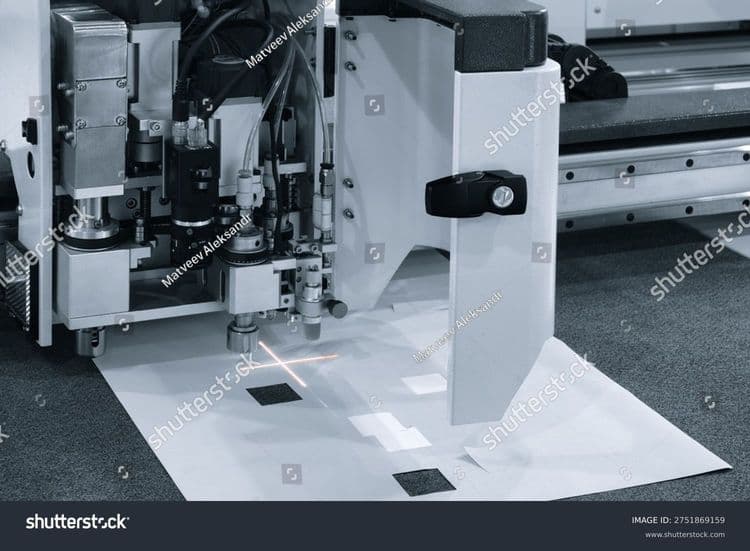
CipherFab offers a high-quality robotic laser cutting service using six-axis industrial robot arms mounted with high-power fibre laser cutting heads — enabling three-dimensional cutting of complex formed, stamped, hydroformed, and bent metal components that flat-bed laser cutters cannot access. Unlike flat-bed gantry laser systems that are limited to two-dimensional profiles, robotic laser cutting systems follow the actual three-dimensional surface of a formed part — cutting holes, slots, trim profiles, and bevel edges on curved surfaces, stamped panels, and tube assemblies in a single automated operation. CipherFab provides instant quotes on robotic laser cut components with DFM feedback on every uploaded file.
Recommended Materials for Robotic Laser Cutting
Materials supported for this capability.
Robotic Laser Cutting
- Metals — Fibre Laser Mild Steel 1018
- Hot Rolled Steel A36
- HSLA Steel A572 Grade 50
- Stainless Steel 304
- Stainless Steel 316
- Stainless Steel 17-4PH
- Aluminium 5052
- Aluminium 6061-T6
- Aluminium 7075
- Titanium Ti-6Al-4V
- Galvanised Steel G90
- Copper 110
- Brass 260
- Inconel 625
- Non-Metals — CO₂ Laser (robotic) Carbon Fibre Composite (CFRP)
- Fiberglass / G10
- Kevlar composite
- ABS
- Polycarbonate
- HDPE
- PTFE
- Polyimide (Kapton)
- Part Types Supported Hot-stamped automotive body panels
- Hydroformed tube and structural sections
- Drawn and deep-drawn sheet metal components
- Pre-formed and bent sheet metal assemblies
- Tube and pipe profiles
- Three-dimensional curved structural components
- Aerospace ribs, skins, and brackets
- Laser Power Range 1.5 kW
- 2 kW
- 3 kW
- 4 kW
- 6 kW — matched to material type and thickness
Tolerance Standards for Robotic Laser Cutting
General tolerance information for this capability.
Robotic Laser Cutting
| Description | General Tolerance |
|---|---|
| Robotic Arm Repeatability | ±0.1 mm (±0.004″) — six-axis industrial robot standard |
| Cut Feature Positional Accuracy | ±0.1–0.2 mm on three-dimensional formed surfaces |
| Edge-to-Edge Tolerance (flat features) | ±0.010″ nominal — consistent with flat-bed laser cutting |
| KERF Width | < 0.3 mm fibre laser on steel; < 0.5 mm on aluminium |
| Heat-Affected Zone | Minimal — fibre laser; narrower than plasma or flame cutting |
| Bevel Angle Range | 0°–45° from normal on 5-axis cutting head |
| Maximum Material Thickness | Up to 10 mm mild steel; up to 6 mm aluminium; up to 4 mm stainless |
| Minimum Feature Size | Equal to or greater than material thickness |
| Edge Condition | Clean cut face; no heat-affected delamination on composites with CO₂ |
| NDT Options | Visual inspection · CMM verification of cut feature position on formed component |
Design Guide: Robotic Laser Cutting
We have compiled our best tips into this guide to help you understand robotic laser cutting processes, how to prepare 3D CAD data of formed and stamped components for robotic laser programming, feature orientation on three-dimensional surfaces, bevel and trim cut design, fixturing strategy for consistent part presentation, minimum feature sizes relative to material thickness, and how to combine robotic laser cutting with downstream welding and assembly operations.
Advantages of Robotic Laser Cutting
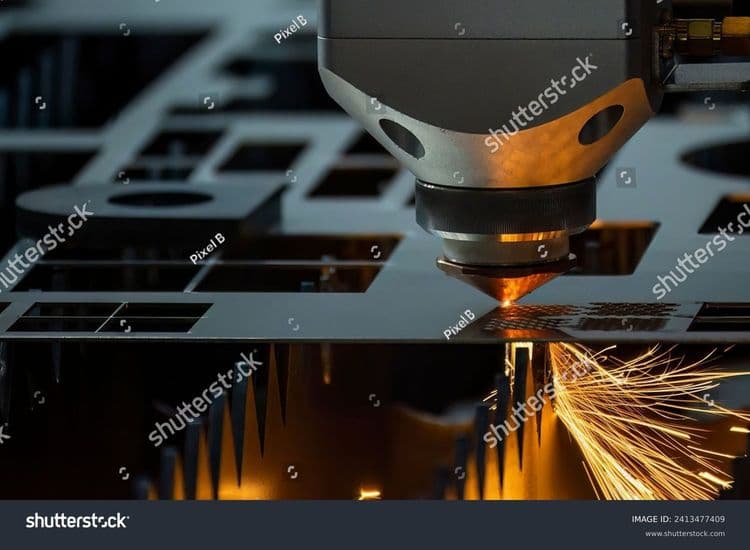
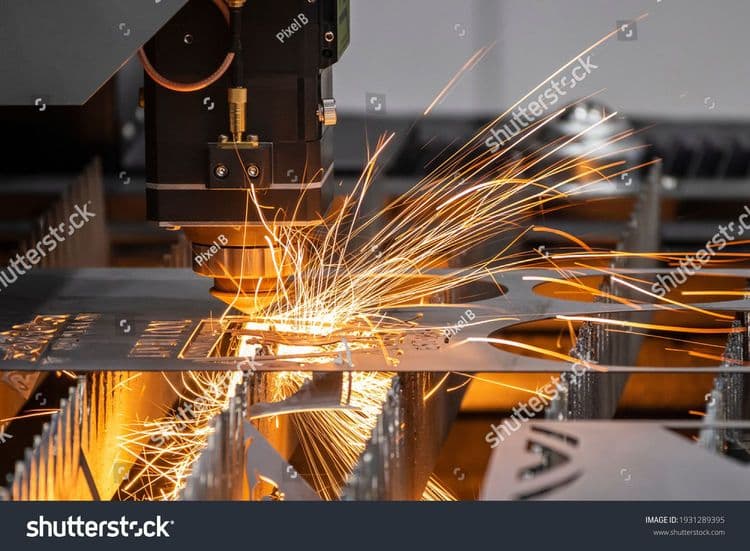
Robotic laser cutting solves the fundamental limitation of flat-bed laser systems — the inability to cut formed, stamped, and three-dimensional components after the shaping operation. Hot-stamped automotive body panels, hydroformed structural tubes, and deep-drawn sheet metal components all require trim cuts, pierce features, and bevel edges after forming — operations that flat-bed lasers cannot perform and that previously required dedicated punch tooling or manual drilling. A six-axis robot with an integrated fibre laser head follows the actual three-dimensional surface of the formed component, cutting precise holes, slots, and trim profiles at travel speeds of up to 100 m/min with positional repeatability of ±0.1 mm. No multi-stage fixtures. No re-clamping. No secondary drilling operations. CipherFab's robotic laser cutting service handles automotive body components, aerospace structural brackets, tube assemblies, and composite trim profiles — all from 3D CAD data, with instant online pricing and DFM feedback on every upload.



Start Your Robotic Laser Cutting Project Today
Get Free Instant QuoteUpload your CAD files for an instant quote with DFM feedback on every order.